
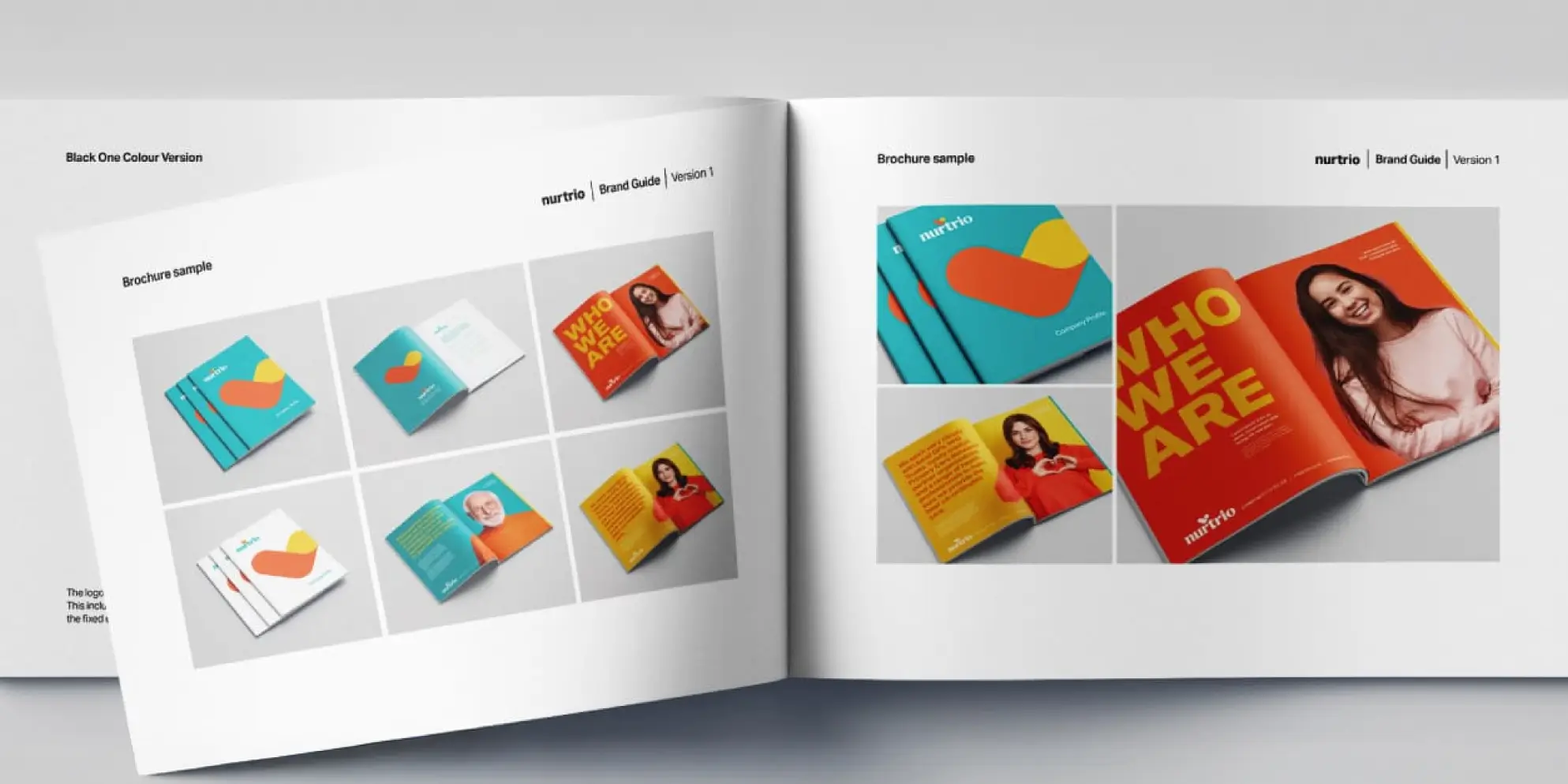
You’ve nailed your brand – great logo, solid visual identity, clear positioning. You might think that’s ‘job done’ for your branding.
But creating a brand is the easy part. Keeping it consistent when different designers, agencies, and team members get involved is where things often get messy.
Before you know it, your logo’s appearing in seventeen different shades of blue, your fonts are multiplying like rabbits, and your carefully crafted brand voice sounds like it’s been written by a committee. This is why brand guidelines aren’t just nice to have, they’re essential.
Consistency builds recognition (and trust)
Something that often comes as a shock to businesses is that their audience isn’t paying as much attention as they think. They’re scrolling, skimming, and making split-second decisions about whether to engage with your content and brand.
When your visual branding is consistent, same logo treatment, colours, fonts, imagery style, you become instantly recognisable. That recognition builds familiarity, familiarity builds trust, and trust leads to customers.
Without guidelines, you’re starting from scratch every time you create something, training your audience to recognise a different version of your brand each time they see you.
Make life easier for everyone
Brand guidelines aren’t about stifling creativity; they’re about making it easier to create good work quickly.
Your marketing team doesn’t need to second-guess whether they’re using the right shade of green or debate whether that font is “on brand.” They’ve got clear rules to work within, which means less time wasted and more time spent on the creative thinking that actually matters.
Guidelines also mean you can work with multiple suppliers, such as designers, printers, and web developers, without everything looking like it’s coming from different companies.
Good brand guidelines have built-in flexibility, whilst maintaining consistency. It’s not about creating templates for every design situation (you can’t, by the way), it’s about creating rules that are easy to follow and allow creative freedom, without allowing the designers to go totally ‘off-piste’.
Keep your message on track
Your visual identity is only half the story. Brand guidelines also cover how you sound.
By documenting your tone of voice, key messages, and the language you do (and don’t) use, you ensure everyone representing your brand sounds like the same company. Whether it’s a social media post, a proposal, or a customer service email, your brand personality stays consistent.
Avoid legal headaches
Nobody wants to think about the legal side of branding, but it matters.
Brand guidelines establish clear rules for using trademarked elements, copyrighted materials, and partner logos. This protects you from accidentally misusing someone else’s intellectual property (expensive) and stops others from misusing
yours (annoying).
Help new people get up to speed
As your team grows or you bring in external help, brand guidelines become your onboarding tool.
New employees can understand your brand’s personality and visual standards without needing extensive briefings. Freelancers and agencies can hit the ground running. Everyone’s working from the same playbook.
Brand guidelines keep your brand intact as you grow. They’re the difference between a business that looks like it’s got its act together and one that looks scattered and unprofessional.
Think of them as your brand’s insurance policy, a relatively small investment that protects something much more valuable.
Want to create brand guidelines that actually get used? Let’s talk about building a practical, comprehensive set of standards that work for your business.
